/filters:format(jpeg,png)/fit-in/300x300/guide_websites/19904/images/key-dives-website-logo1.jpg)
/filters:format(jpeg,png)/fit-in/237x80/guide_websites/19904/images/key-dives-website-logo1.jpg)
Scuba Diving Courses
%2Ffit-in%2F1000x1000%2Ffilters%3Aformat(webp)%2Fguide_websites%2F19904%2Fimages%2F17700917405694cf027f9-5ec5-4386-a827-365e4d9c9846.jpeg&w=1920&q=75)
Updated: April 24, 2026
Scuba diving courses open the door to an unforgettable underwater adventure while ensuring you learn essential safety skills and proper diving techniques. Whether you're searching for scuba diving courses in the USA, a beginner scuba certification, or advanced scuba training, the right program helps you dive with confidence. From your first Discover Scuba experience to professional-level certifications like Divemaster or SSI Instructor, each course builds your skills step by step. If you’ve been looking for scuba diving lessons near me or wondering about different scuba certification levels, this complete guide will help you choose the best scuba course to match your goals and experience level.
Why Take Scuba Diving Courses?
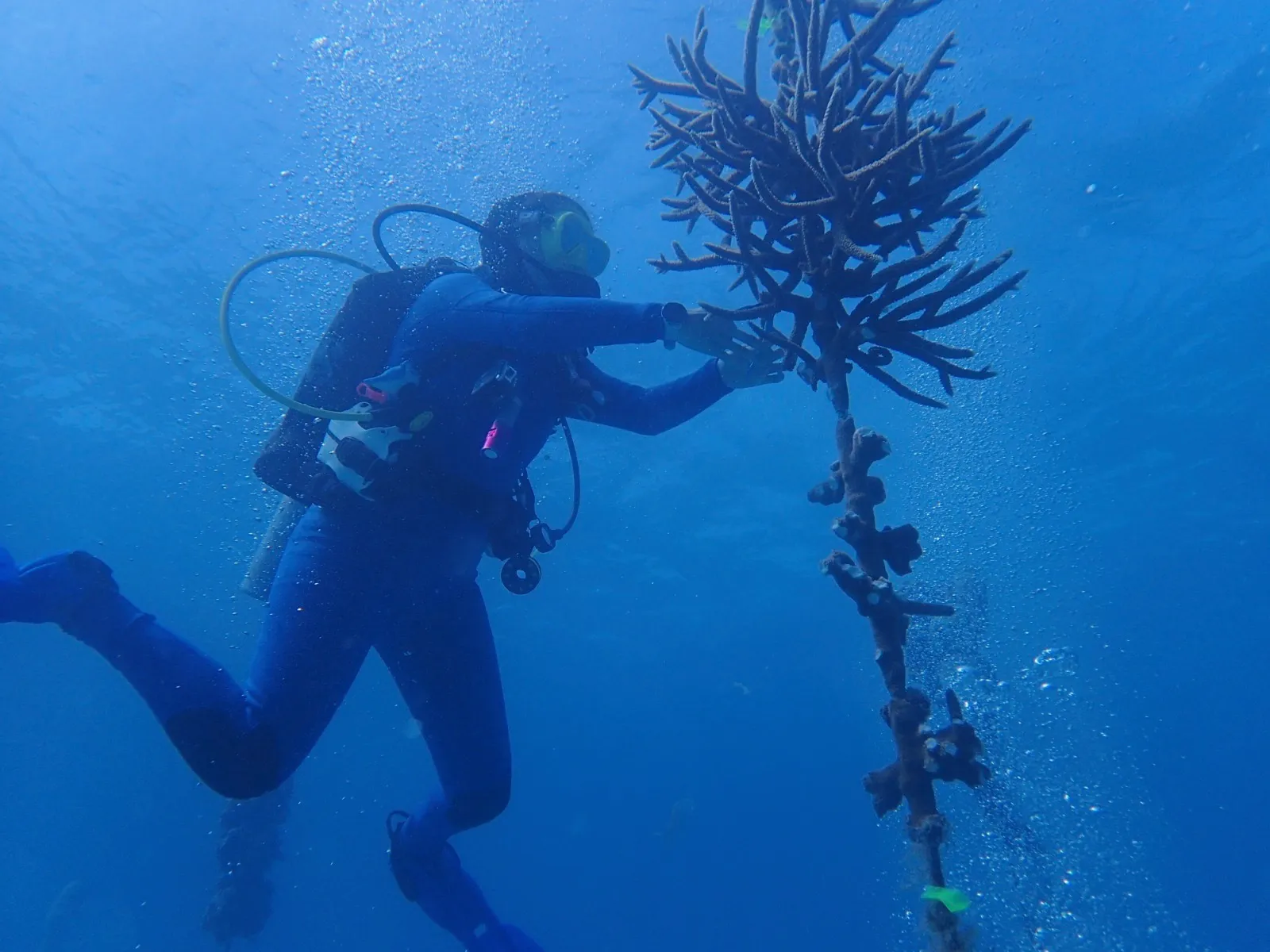
Enrolling in professional scuba diving courses is the safest and most effective way to explore the underwater world with confidence. A structured scuba certification program teaches you essential dive theory, equipment handling, buoyancy control, and emergency procedures, skills that are critical for safe diving.
Whether you're a beginner searching for scuba diving lessons near me or an experienced diver looking to advance, formal training ensures you meet global safety standards. Certified divers also gain access to deeper dive sites, wreck dives, and specialty adventures that are restricted to non-certified participants.
From improving underwater navigation to learning rescue techniques, each level of scuba certification training enhances your competence and expands your dive opportunities. Investing in the right scuba course not only builds confidence but also opens doors to unforgettable diving experiences worldwide.
Beginner Scuba Diving Courses (Start Your Underwater Journey)
If you’re new to diving, beginner scuba diving courses are the perfect way to safely experience the underwater world. These entry-level scuba certification programs focus on foundational skills, safety training, and building confidence underwater.
Discover Scuba Diving Course
The Discover Scuba Diving course is ideal for absolute beginners who want to try scuba diving without committing to a full certification. This introductory scuba experience includes basic dive theory, equipment orientation, and a supervised shallow-water dive with a certified instructor. It’s perfect for travelers searching for a “try scuba diving course” or a beginner-friendly underwater adventure.
Open Water Diver Course
The Open Water Diver course is the most recognized entry-level scuba certification worldwide. This comprehensive scuba diving certification program covers dive theory, confined water skill development, and open water training dives. Once certified, divers can explore to recommended depth limits with a buddy. If you're looking to learn to scuba dive in the USA, this is the essential first step.
Scuba Refresher Course
The Scuba Refresher course is designed for certified divers who haven’t been diving in a while. It reviews essential scuba skills such as buoyancy control, mask clearing, and emergency procedures. This scuba skills update helps divers regain confidence and ensures safety before returning to open water adventures.
Advanced & Skill-Building Scuba Courses (Level Up Your Diving)
Once you’ve earned your beginner scuba certification, advanced scuba diving courses help you expand your depth limits, sharpen safety skills, and explore more challenging underwater environments with greater confidence.
Advanced Open Water Diver Course
The Advanced Open Water Diver course is designed to enhance your diving skills through real-world adventure dives. This advanced scuba certification typically includes deep diving and underwater navigation, along with elective dives such as night diving or peak performance buoyancy. It’s ideal for divers looking to improve confidence, extend depth limits, and explore more diverse dive sites. If you're searching for advanced scuba training in the USA, this course is the natural next step.
Rescue Diver Course
The Rescue Diver course focuses on diver safety, emergency management, and problem-solving underwater. This highly respected scuba certification teaches you how to prevent and manage dive-related incidents, assist distressed divers, and respond effectively in emergency situations. Popular among serious divers, the rescue diver certification significantly boosts awareness, confidence, and leadership skills.
EANx Nitrox (Enriched Air Diver) Course
The EANx Nitrox course, also known as the Enriched Air Diver certification, teaches divers how to safely use oxygen-enriched air mixtures. Nitrox diving allows for longer bottom times and shorter surface intervals, making it one of the most sought-after scuba specialty courses. This training covers oxygen exposure limits, gas analysis, and dive planning using Nitrox.
Wreck Diving Course
The Wreck Diving course prepares divers to safely explore shipwrecks and artificial reefs. This advanced scuba specialty focuses on navigation, line handling, and hazard awareness in overhead environments. If you’re interested in exploring historic wreck sites or submerged structures, this wreck diving certification opens the door to exciting and responsible underwater exploration.
Specialty Scuba Diving Courses (Expand Your Expertise)
Specialty scuba diving courses allow certified divers to focus on specific interests, improve advanced techniques, and gain additional certifications that enhance safety, confidence, and underwater exploration opportunities.
Specialty Diving Courses
Specialty diving courses are designed to help divers develop targeted skills beyond standard scuba certification levels. Popular options include underwater photography, peak performance buoyancy, night diving, underwater navigation, and deep diving specialties. These scuba specialty courses refine technique, improve air consumption, and increase overall dive performance. Divers searching for advanced scuba skills training or unique underwater experiences often choose specialty certifications to personalize their diving journey and explore new environments with greater expertise.
First Aid & Emergency Response Course
The First Aid & Emergency Response course focuses on CPR, AED usage, oxygen administration, and primary/secondary care skills. Often required before enrolling in a Rescue Diver course, this scuba first aid certification strengthens emergency preparedness both in and out of the water. It is ideal for divers who want to enhance safety awareness and meet professional-level scuba training requirements.
Professional Scuba Diving Certifications (Turn Passion Into Career)
If you’re passionate about diving and want to go beyond recreational scuba, professional scuba diving certifications can transform your hobby into a rewarding career in the dive industry.
Divemaster Course
The Divemaster course is the first professional-level scuba certification. It prepares you to supervise certified divers, lead guided dives, and assist instructors during scuba training programs. This professional scuba training focuses on dive leadership, risk management, dive planning, and advanced skill demonstrations. Many divers pursuing a career as a dive guide or working at dive centers begin with Divemaster certification. It’s an essential step toward becoming a respected professional in the scuba diving industry.
SSI Instructor Course
The SSI Instructor course is designed for divers who want to teach scuba diving and certify new students. This scuba instructor training program covers dive theory, teaching techniques, student evaluation, and risk management. As a certified SSI Instructor, you can conduct scuba diving courses worldwide and build a career in dive education. For those searching for scuba instructor certification in the USA, this course opens global professional opportunities.
How to Choose the Right Scuba Diving Course
Choosing the right scuba diving course depends on your experience level, goals, and the type of underwater adventures you want to pursue. Understanding scuba certification levels helps you select the best training path.
- Start with your experience level: Beginners should enroll in a Discover Scuba or Open Water scuba certification, while certified divers can consider advanced scuba training.
- Define your diving goals: If you want deeper dives or navigation skills, choose an Advanced Open Water course. For safety skills, opt for a Rescue Diver certification.
- Consider specialty interests: Interested in shipwrecks or extended bottom time? Look into a Wreck Diving course or EANx Nitrox certification.
- Plan for a diving career: If your goal is professional scuba training, progress toward Divemaster certification or an SSI Instructor course.
- Check local availability: Search for “scuba diving courses near me” to find reputable dive centers offering certified scuba training programs in the USA.
Why Train with Key Dives?
Choosing the right dive center is just as important as selecting the right scuba diving course. Key Dives offers professional scuba certification programs led by experienced instructors who prioritize safety, small group training, and personalized attention. Whether you're enrolling in an Open Water scuba certification, advancing to Rescue Diver, or pursuing Divemaster training, you’ll receive hands-on guidance and real-world diving experience. With access to incredible dive sites and structured scuba training programs, Key Dives ensures every diver builds confidence and skills the right way.
Ready to start your underwater journey? Book your scuba diving course today at Key Dives and take the first step toward earning your scuba certification.
FAQs
1. How long does it take to get scuba certified?
Most Open Water scuba certification courses take 2–4 days, including theory sessions, confined water training, and open water dives with a certified instructor.
2. What is the best scuba diving course for beginners?
The best beginner scuba diving course is the Open Water Diver certification, which teaches essential dive skills, safety procedures, and underwater communication techniques.
3. How much does a scuba diving course cost in the USA?
Scuba diving course costs in the USA typically range from $400–$800 for Open Water certification, depending on location, equipment rental, and training inclusions.
4. Do I need to know how to swim for scuba certification?
Yes, basic swimming skills are required for scuba certification, including a swim test and floating ability to ensure safety during scuba diving training.
5. What is the difference between Open Water and Advanced Open Water?
Open Water certification allows diving to beginner depth limits, while Advanced Open Water expands depth range and adds navigation and specialty adventure dives.
%2Fusers%2F1e0997c5-cd0d-4a40-b538-3de1dd0b96a8%2Fpagedata%2Fscuba-diver-breathing-underwater-mmcz5wmk.jpg&w=1920&q=75)
%2F%2Fguide_websites%2F19904%2Fimages%2F1769027481452_7r47088.jpeg&w=1920&q=75)
%2F%2Fguide_websites%2F19904%2Fimages%2F1770310001507turtleonreef.jpeg&w=1920&q=75)