

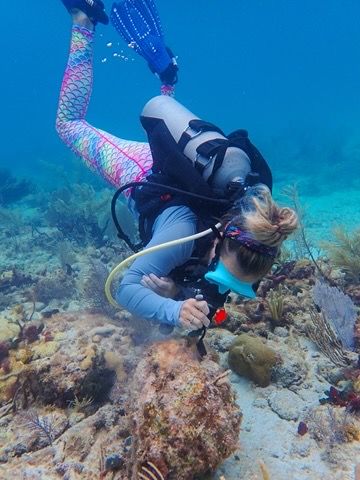


I.CARE Conservation Dive Florida Keys Key Dives
 Islamorada
- Join Key Dives for a meaningful conservation dive that lets you actively help protect Islamorada's coral reefs. This I.CARE Maintenance Dive takes certified divers to work alongside marine biologists, monitoring corals and sponges while caring for previously transplanted coral colonies. The experience starts with training at 11 AM, followed by boat departure at 12:30 PM for an afternoon of hands-on reef restoration. You'll spend about four hours total learning proper conservation techniques and directly contributing to the health of Florida Keys' famous underwater ecosystems. It's real conservation work that makes a difference, not just sightseeing.
Trip Pricing and Availabilities:
I.CARE Conservation Dive | Islamorada Reef Care
Want to make your Florida Keys diving count for something bigger? This isn't your typical reef tour – it's hands-on conservation work that lets you give back while exploring some of Islamorada's healthiest coral formations. The I.CARE Maintenance Dive puts you underwater at around 25 feet, working alongside marine biologists to monitor and care for coral restoration sites. You'll spend the afternoon doing real science, from sponge removal to coral health assessments, all while diving one of the most biodiverse reef systems in North America. It's perfect for certified divers who want their bottom time to matter beyond just checking out the scenery.
Beneath the Surface
This dive runs from 12:30 PM to 4:30 PM, but your day starts earlier with mandatory I.CARE training at 11 AM – don't skip this part, as you'll learn the specific techniques needed for underwater conservation work. The whole experience departs from Giant Stride, and you'll be working at shallow depths around 25 feet, making this accessible for most certification levels. What makes this special is the direct involvement with ongoing restoration projects. You're not just observing healthy reefs; you're actively maintaining coral nurseries and monitoring growth sites that have been carefully established over years of research. The I.CARE program (Islamorada Conservation and Restoration Education) has been working these waters long enough to show real results, and you get to be part of that success story. The boat ride out gives you time to review your tasks and connect with the conservation team leading the dive.
Dive Brief & Gear Info
Standard scuba gear applies here – mask, fins, BCD, regulator, and wetsuit if you prefer. The conservation work requires some specialized techniques you'll master during the morning training session. You'll learn proper coral handling methods, how to identify healthy versus stressed coral tissue, and the specific procedures for removing competing organisms like algae. The work happens in relatively shallow water with excellent visibility, so you'll have plenty of light for detailed observation and photography if that's your thing. The I.CARE team provides all conservation-specific tools, from scrub brushes to collection bags and monitoring slates. Most of your time underwater involves careful observation and gentle maintenance work – think of it as underwater gardening rather than heavy construction. The shallow depth means longer bottom times, giving you plenty of opportunity to really understand what you're seeing and contributing to.
Marine Life You Can See
While this dive focuses on coral restoration, you'll encounter plenty of reef residents going about their daily business. Parrotfish are constant companions on these maintenance dives, and you'll quickly understand why they're so important to reef health. These chunky, colorful fish spend their days crunching on algae-covered coral, keeping the hard surfaces clean for new polyp growth. Watch for their characteristic feeding clouds – that's actually pulverized coral and algae being processed and eventually turned into the white sand that makes Florida Keys beaches so beautiful. Yellowtail snapper often hover around work sites, curious about the unusual activity. These sleek silver fish with bright yellow tails are year-round residents, but they're most active during warmer months when they form large aggregations. Their presence usually indicates healthy water conditions, which is exactly what successful coral restoration requires. You'll also spot various wrasse species darting between coral branches, particularly the vibrant yellowhead wrasse that changes colors dramatically as it matures from female to male. During late summer and fall, you might encounter juvenile fish seeking shelter in the restored coral areas – a clear sign that conservation efforts are creating real habitat value for the entire reef community.
Plan Your Next Dive
This conservation dive offers something most Florida Keys experiences can't match – the satisfaction of knowing your diving skills contributed to reef recovery. You're not just visiting these underwater gardens; you're helping tend them for future generations of divers and marine life. The combination of meaningful work and world-class diving conditions makes this a standout choice for certified divers looking beyond typical reef tours. With limited spots available per trip, booking early ensures you don't miss this chance to dive with purpose. The skills you learn during I.CARE training often change how people approach all their future diving, making every reef visit more observant and conservation minded. Ready to make your Florida Keys diving matter? Reserve your spot and join the effort to keep these reefs thriving for decades to come.
About the The Giant Stride

Vehicle Guest Capacity: 18
Manufacturer Name: Cummins
Maximum Cruising Speed: 26
Number of Engines: 2
Horsepower per Engine: 450
Jump aboard our spacious dive boat for the I.CARE Maintenance Dive in Key Largo! This vessel comfortably handles up to 36 divers, giving you plenty of room to gear up and relax between dives. We'll cruise out from Giant Stride around 12:30 PM to shallow reef sites where you'll help tend to coral restoration projects at about 25 feet deep. The boat's designed for conservation work - plenty of deck space for research equipment, easy water entry, and comfortable seating for the 4-hour trip. You'll get hands-on training at 11 AM before we head out, then spend the afternoon doing real reef maintenance alongside the I.CARE team. Perfect for certified divers who want to make a difference while exploring Key Largo's famous coral reefs. The boat returns around 4:30 PM after a rewarding day of underwater conservation work.